Is love merely a cocktail of chemicals swirling in our brains, or is there something more elusive at play? Every year, over 20 million songs about love are streamed on Spotify, and scientists like Dr. Helen Fisher have spent decades trying to decode its mysteries. Despite its omnipresence in art and culture, love remains one of the most enigmatic human experiences. Are we driven by evolutionary instincts, or is there a deeper psychological mechanism at work? As we navigate the complexities of this timeless emotion, it’s worth asking what truly fuels our desire to connect and bond.
Consider the way your heart races at the mere thought of a loved one or how a simple text can turn your day around. Such powerful responses beg the question: Why do these emotions hold such sway over us? Understanding the psychology behind love might just unlock answers to some of life’s most profound questions.
Exploring the Psychology Behind Love: What Drives Our Emotions?
How often do we ponder the reasons behind our feelings of love? It’s more than just a warm, fuzzy sensation—love is a complex emotional state thoroughly studied by psychologists. Researchers suggest that love is driven by a mix of biological, psychological, and social factors. But what does this mean for us? Let’s explore.
At the heart of these emotions lies the brain, a central player in our experience of love. Studies by the National Institutes of Health have shown that love activates 12 different areas of the brain, including those responsible for happiness, reward, and even stress. This neurological activity explains why love can make us feel elated yet sometimes anxious. Such dual experiences are the brain’s way of reacting to attachment and bonding.
Understanding love also involves recognizing its different types. Robert Sternberg’s Triangular Theory of Love identifies three components: intimacy, passion, and commitment. Each element can exist alone or in combination, shaping different kinds of love—romantic, platonic, or even familial. For example, a purely passionate relationship may burn brightly but lack the lasting power that commitment brings. Recognizing these components can help individuals navigate relationships more intentionally.
Then there’s the role of early experiences. Attachment theory, introduced by John Bowlby, contends that our primary caregivers influence our capacity to form bonds. Secure attachment in childhood often leads to healthier adult relationships. Conversely, those without such experiences may encounter challenges. It suggests that understanding our attachment style could be a first step towards personal growth and healthier relationships.
So, how can individuals better manage their emotional states? Consider these actionable strategies:
- Reflect on personal attachment styles to understand current behavior in relationships.
- Practice open communication to strengthen intimacy and resolve conflicts.
- Be aware of emotional triggers and cultivate mindfulness to stay present.
While love might often feel mysterious, practical insights grounded in psychology can offer clarity. It’s not just about understanding what’s happening in our brains but also about how we engage with others. By applying these insights, we might not only enrich our relationships but also foster deeper connections with those around us. As we continue to unravel the psychology behind love, the possibilities for personal growth and connection remain as compelling as ever.
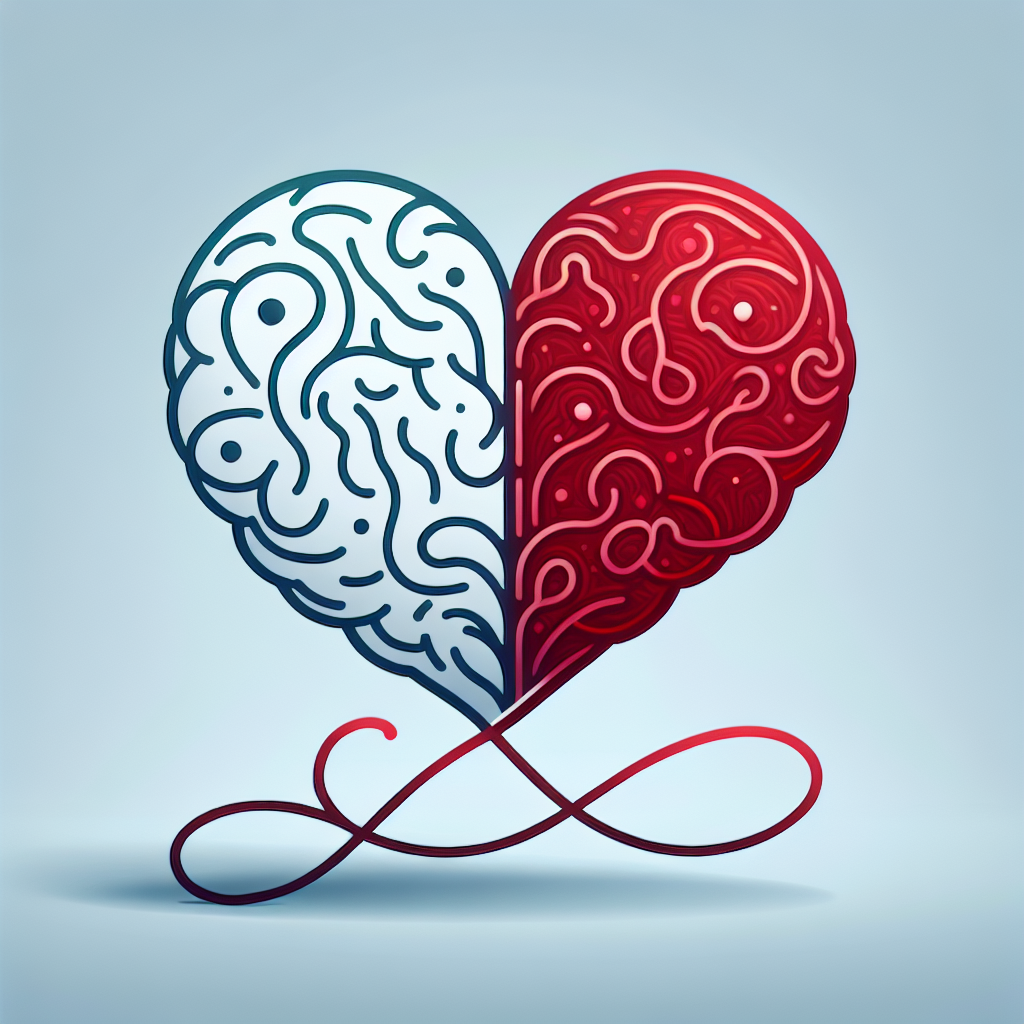
The Science of Love: How Biology and Chemistry Shape Our Relationships
Love—it’s as much a scientific phenomenon as it is an emotional experience. The intriguing interplay between biology and chemistry significantly influences how we form and maintain relationships. Oxytocin, often dubbed the “love hormone,” plays a pivotal role here. Studies reveal that during moments of intimacy, such as hugging or kissing, oxytocin levels surge, fostering trust and bonding between individuals.
Scientists have found that the chemicals in our brain are a crucial part of attraction and attachment. Dopamine, a neurotransmitter linked to pleasure and reward, spikes when we’re attracted to someone, leading to feelings of excitement and euphoria. Meanwhile, serotonin levels tend to drop, which may explain why love can sometimes make us feel obsessed. This chemical cocktail is reminiscent of the effects seen in individuals experiencing addictions, highlighting why early-stage romance feels so intoxicating.
However, love is not solely dictated by neurotransmitters. Evolutionary biology also plays its part. Long-term attachment is partly an evolutionary adaptation to ensure the survival of offspring. By maintaining stable partnerships, early humans improved their chances of protecting and nurturing their young. This historical context offers insight into the enduring nature of relationships despite challenges. But while evolution pushes us towards pair bonding, contemporary social structures are reshaping how and whom we choose to love.
Let’s not overlook the chemistry of pheromones. These chemical signals, though subtle, can influence attraction. While the exact impact of human pheromones remains contested, some researchers argue their presence in sweat and other secretions subtly affects our choices. It’s fascinating to think that our body’s natural scent could unconsciously guide us toward potential partners.
Biology and chemistry provide a framework, but personal experiences and social factors paint the full picture. How do we navigate this intricate web of influences? Recognizing that these elements aren’t isolated can enrich our approach to relationships. For instance:
- Understanding the flood of emotions in new love can temper unrealistic expectations.
- Acknowledging the role of biology might help in fostering patience and tolerance during conflicts.
- Embracing the natural rhythms of attachment can support long-term relationship health.
Some may wonder if this scientific view detracts from the romance of love. Yet, understanding the biological and chemical processes at play can deepen appreciation for how complex and miraculous human connections truly are. The evidence suggests love is more than a mere feeling—it’s an intricate dance of biology and chemistry, reflected in every heartbeat and glance.
Frequently Asked Questions
How does love affect brain chemistry?
Love triggers the release of chemicals like dopamine, oxytocin, and serotonin in the brain. Dopamine is associated with pleasure and reward, similar to the effects of certain drugs, leading to feelings of happiness and euphoria.
What are the different types of love according to psychology?
Psychology categorizes love into several types, including romantic love, platonic love, and compassionate love. Sternberg’s Triangular Theory of Love identifies three components: intimacy, passion, and commitment, which combine in various ways to form different types of love relationships.
What role does oxytocin play in relationships?
Oxytocin, often called the “love hormone,” plays a crucial role in bonding and trust between partners. Studies have shown that increased levels of oxytocin can enhance emotional intimacy and strengthen romantic relationships.
How does love change over time in a long-term relationship?
In long-term relationships, love often evolves from passionate to compassionate love, characterized by deep emotional intimacy and commitment. A study found that couples who reported high levels of compassionate love had a 20% lower chance of relationship dissolution over a 10-year period.
Can love impact physical health?
Yes, love can have a positive impact on physical health by reducing stress and lowering blood pressure. A study published in the American Journal of Cardiology found that married individuals have a 12% lower risk of developing heart disease compared to their single counterparts.
Bir yanıt yazın